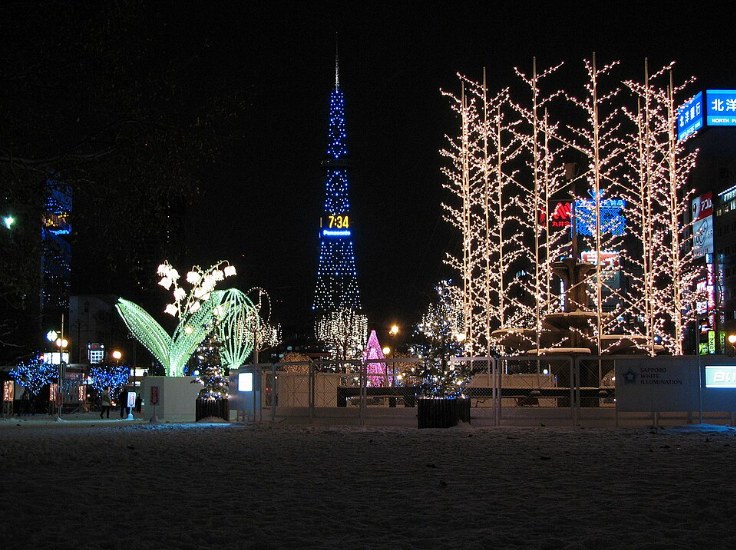
Photo: 蛇使いの工藤 / CC BY-SA 4.0
Winter Illuminations in Japan: Best Light Displays
Japan's winter illuminations run longer than Christmas lights back home, some into February — from Tokyo to Kobe's Luminarie and Sapporo's snow festival.
Last updated 2026-08-25
The short version
Winter illuminations generally run from November through February, with some stretching into March, which is longer than most Western Christmas-light traditions — plenty last well past New Year rather than coming down right after it. They're also one of the most reliably rewarding winter activities: usually free or low-cost, outdoors, and photogenic even for visitors just passing through a district rather than planning a special trip.
Tokyo: several districts, several different vibes
Marunouchi and Shinjuku Southern Terrace tend to run the longest, often into mid-February, while Roppongi Hills, Tokyo Midtown, and Azabudai Hills cluster into a shorter, more Christmas-focused window through around December 25th. The Meguro River's illuminated walk, threading through the same cherry-blossom-lined path covered in our sakura guide, typically runs from early December into late January. Exact dates shift by a week or two most years, so treat any specific date here as a starting point and confirm closer to your trip.
Kobe Luminarie: the one with real history
Held roughly late January into early February, Kobe Luminarie isn't just a shopping-district light show — it began in 1995 to commemorate the Great Hanshin Earthquake and give the city a symbol of hope during recovery, and it's kept that meaning ever since. It's a more deliberate trip than the Tokyo displays, but a distinct one worth it specifically for what it represents, not just how it looks.
Sapporo: illuminations plus one of the biggest winter festivals anywhere
Sapporo's White Illumination runs alongside the Sapporo Snow Festival, an entirely separate and much larger draw held in early February (February 4-11 in its 2027 edition) across three sites: Odori Park's massive snow sculptures and International Snow Sculpture Contest, the Susukino district's ice sculptures and ice bar, and the Tsudome site's family-oriented snow attractions. It draws more than two million visitors most years, so if you're specifically targeting festival week, book accommodation well ahead of time.
A less obvious pick: Shirakawa-go's winter light-up
The thatched-roof gassho-zukuri village covered in our Gifu guide holds special evening light-up dates in January and February, when its snow-covered farmhouses are lit from within against the dark. It's a completely different mood from the city displays — quiet and rural rather than urban and dense — but dates are limited and access is often managed specifically because of crowding, so check the current year's schedule and any reservation requirements before building a trip around it.
How to actually plan around it
Because most illuminations run from November or December through February, they pair naturally with a winter or New Year trip rather than requiring a dedicated visit. Dates shift by a week or two year to year, so confirm specifics once your travel dates are set rather than trusting a general date range from a prior year. Dinner reservations near popular illumination districts get busy on weekend evenings during peak weeks, so booking ahead is worth it if a specific restaurant matters to you.
Related reading
Want a full itinerary, not just one article?
The Trip Planner builds a day-by-day plan around the regions and interests you pick.
Open Trip Planner