Photo: Øyvind Holmstad / CC BY-SA 4.0
New Year (Oshogatsu) in Japan: What's Open and Closed
Japan's New Year holiday is the biggest nationwide shutdown of the year. What actually closes, what stays open, and how to plan a trip around it.
Last updated 2026-08-25
The short version
Roughly December 29 through January 3 (sometimes stretching to January 4 or 5) is Japan's biggest nationwide shutdown of the year, bigger than Christmas in terms of what actually closes. If a trip includes these dates, it's worth planning around the shutdown deliberately rather than being surprised by it mid-trip — the flip side is that it's also when one of Japan's most striking traditions, hatsumode, happens.
What actually closes
Small, family-run restaurants take their one major break of the year and are almost all closed. Banks and ATMs shut down across the holiday — withdraw cash you'll need by around December 29, since even convenience-store ATMs can be affected. Most museums and galleries, national and municipal, close for several days. Independent boutiques and side-street shops generally stay shuttered the whole period. Department stores close specifically on January 1st, then reopen January 2nd for their major New Year sales (hatsuuri) — the one closure that flips into an opening opportunity.
What stays open (and gets you through it)
Convenience stores (7-Eleven, FamilyMart, Lawson) run 24/7 through the entire period without exception, and major fast-food chains — McDonald's, Yoshinoya, Matsuya — typically stay open too. Hotel and ryokan in-house restaurants operate normally, which is worth factoring into where you stay if your dates fall in this window. Large shopping and dining complexes inside major train stations generally get back up and running from January 2nd onward, faster than standalone shops in the surrounding neighborhood.
Hatsumode: the flip side of the shutdown
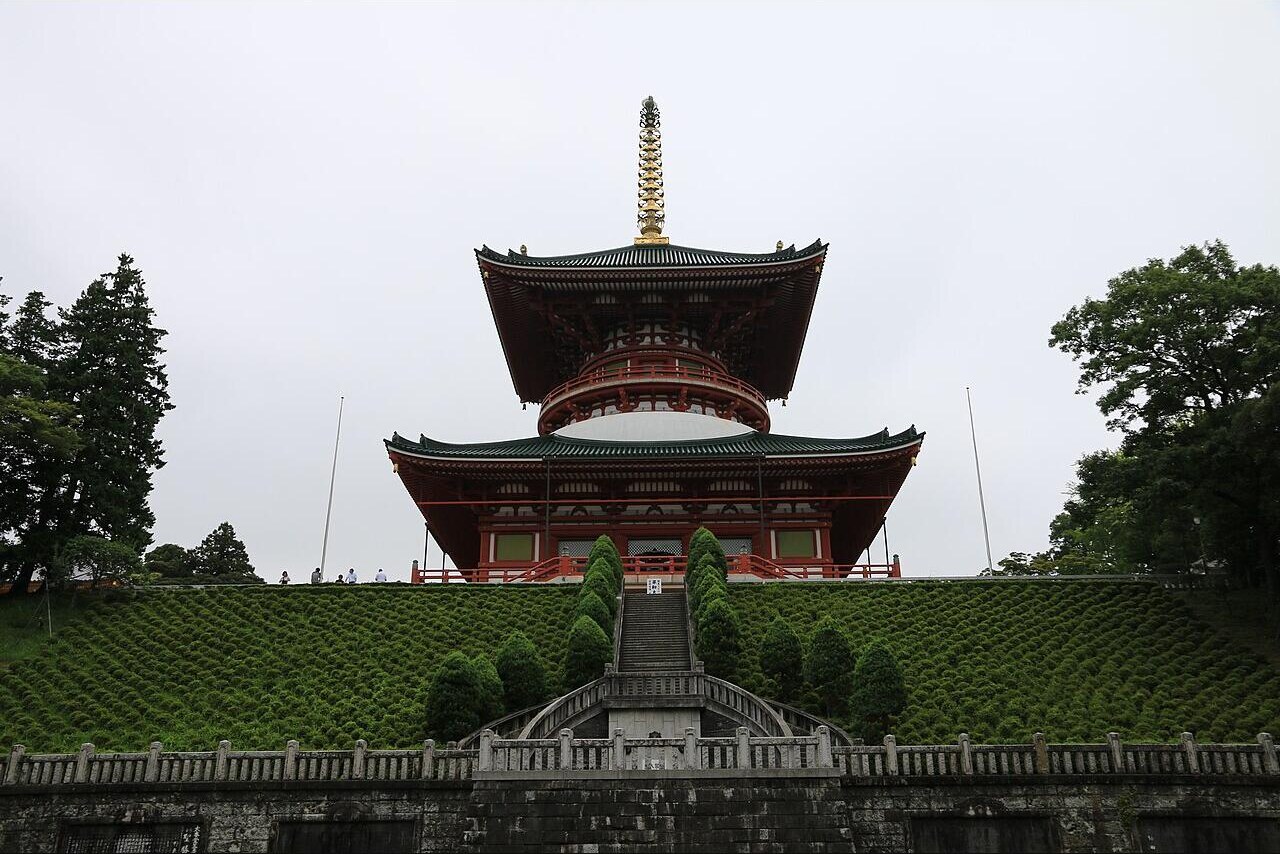
While restaurants and shops go quiet, shrines and temples see their single busiest stretch of the entire year for hatsumode, the first prayer visit of the new year. Famous ones — Tokyo's Meiji Shrine, Chiba's Narita-san Shinshoji (see our Narita guide) — draw enormous, genuinely memorable crowds, sometimes with lines running late into the night on December 31st and through the following days. It's a real, worthwhile experience, but go in expecting a crowded, festive atmosphere rather than a quiet temple visit.
Transportation gets squeezed too
December 29 through January 4 is also a mass domestic travel period, as much of the country heads home for the holiday and back again. Shinkansen and highways get genuinely congested, particularly December 28-30 on the way out and January 2-3 on the return, and reserved seats for those specific travel days can sell out well in advance. If your own itinerary involves a long-distance train during that window, booking earlier than usual is worth it.
How to actually plan around it
Treat the dining and shopping scene in major cities as running on a skeleton crew for roughly three days: lean on hotel restaurants, convenience stores, and the chains that stay open rather than planning a restaurant-hopping itinerary for January 1-3 specifically. Build in some slack around those dates rather than packing them with reservations, budget real time for hatsumode as a bucket-list activity rather than a quick stop, and if you're traveling long-distance by train on December 28-30 or January 2-3, book that leg as early as you can.
Related reading
Want a full itinerary, not just one article?
The Trip Planner builds a day-by-day plan around the regions and interests you pick.
Open Trip Planner