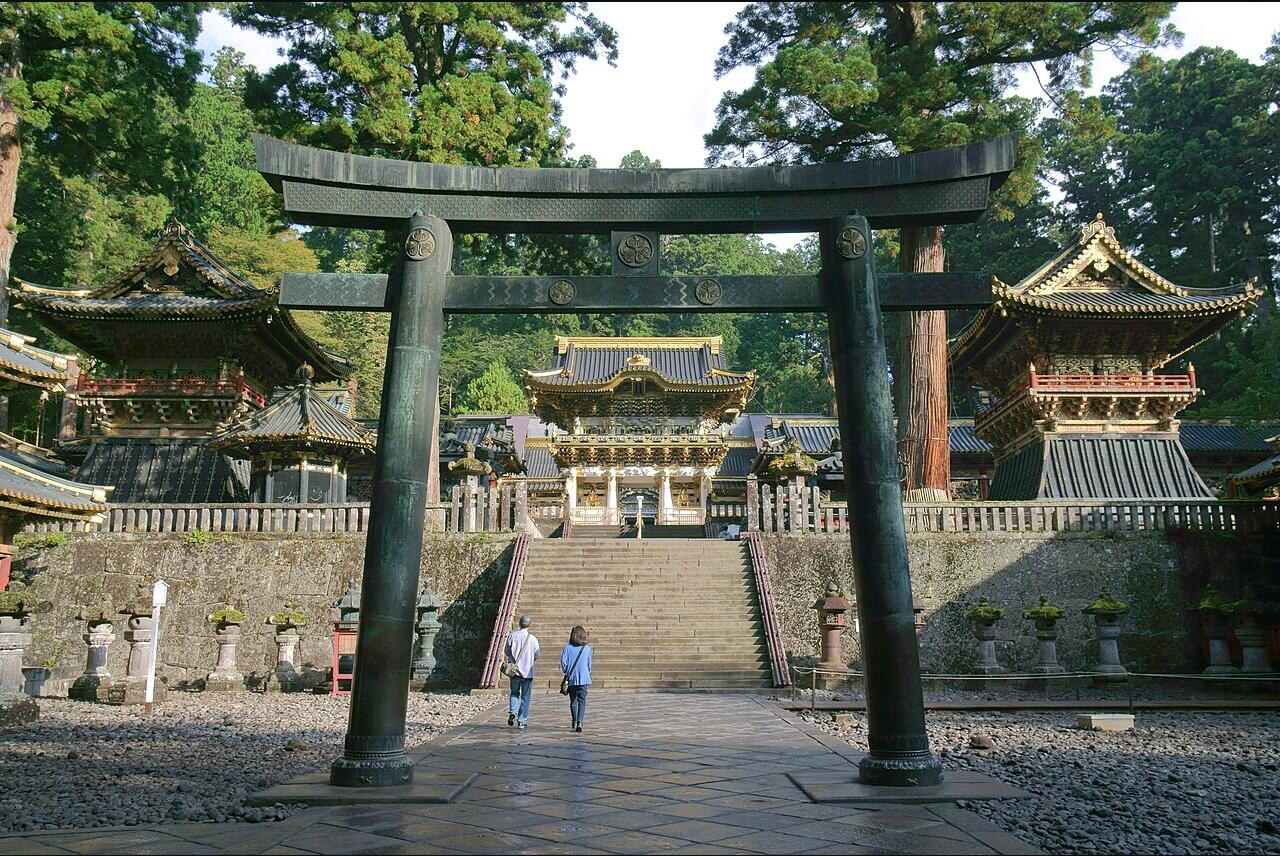
Photo: Koichi Sato / CC BY-SA 4.0
Nikko Yuba: Tochigi's Temple-Town Tofu-Skin Delicacy
Nikko has made yuba, the skin that forms on simmering soy milk, for centuries as a protein-rich staple of the town's Buddhist temple cuisine.
Last updated 2026-08-22
A Temple Town's Tofu-Skin Tradition
Yuba, the skin that forms on top of simmering soy milk, has been made in Nikko for centuries, largely because the mountain town's Buddhist temples relied on it as a protein-rich substitute for meat in shojin ryori, traditional vegetarian temple cuisine. Nikko's cold, clean spring water is often credited for giving the local soy milk a cleaner taste, and small producers still make yuba by hand, lifting each sheet individually rather than mass-producing it.
Ways Yuba Is Served
Fresh, unfried yuba (nama-yuba) has a delicate, almost custardy texture and is often eaten simply, dipped in soy sauce or wasabi, while dried yuba (kanso-yuba) keeps for months and gets rehydrated for soups and simmered dishes. Rolled and simmered yuba (yuba-maki) is another common preparation. Because fresh yuba is delicate and doesn't travel well, it's very much a try-it-locally food — the dried version is the more practical souvenir to bring home.
Related reading
Want a full itinerary, not just one article?
The Trip Planner builds a day-by-day plan around the regions and interests you pick.
Open Trip Planner