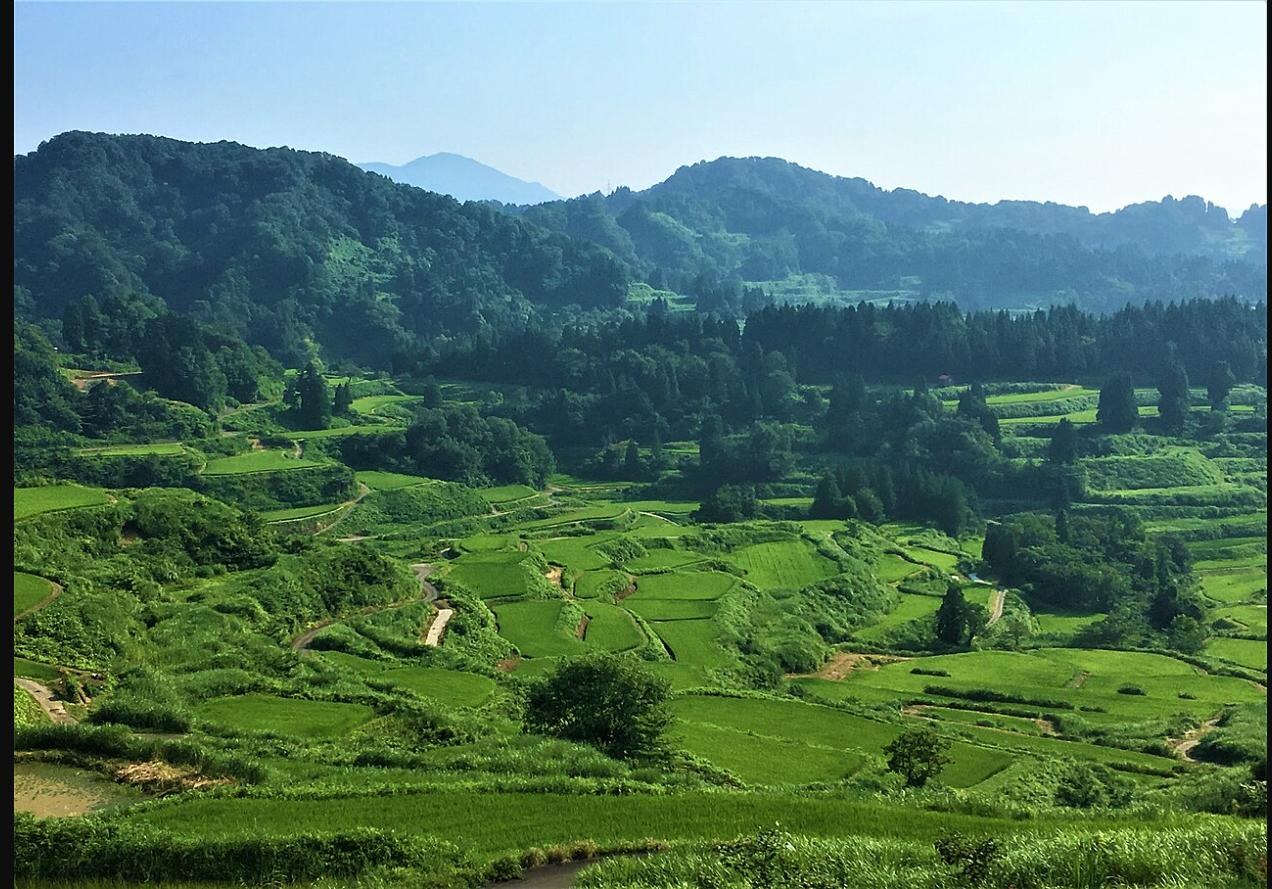
Photo: Nihongo1234 / CC BY-SA 4.0
Hegisoba: Niigata's Seaweed-Bound Buckwheat Noodles
Hegisoba is a Niigata specialty that mixes funori seaweed into buckwheat noodle dough, giving the noodles a glossy, chewy bite unlike soba found anywhere else.
Last updated 2026-08-22
What Makes Hegisoba Different
Hegisoba is a Niigata buckwheat noodle made by kneading funori, an edible seaweed, into the dough instead of the egg or yam binders used elsewhere. The technique comes from the Uonuma region, where funori was originally a sizing agent for weaving cloth, not a food ingredient. The result is a noticeably glossy, springy, chewy noodle that holds its texture even after sitting a while, distinct from softer soba varieties served around the rest of Japan.
How It's Traditionally Served
Cold noodles are gathered into small, bite-sized ripples called hitokuchi and arranged in neat rows across a large, flat wooden or bamboo tray called a hegi, usually enough to share among several people. Diners dip each portion into a soy-based tsuyu, and karashi mustard is a more traditional accompaniment here than the wasabi common with soba elsewhere. It's a popular choice for group meals and local celebrations.
Related reading
Want a full itinerary, not just one article?
The Trip Planner builds a day-by-day plan around the regions and interests you pick.
Open Trip Planner