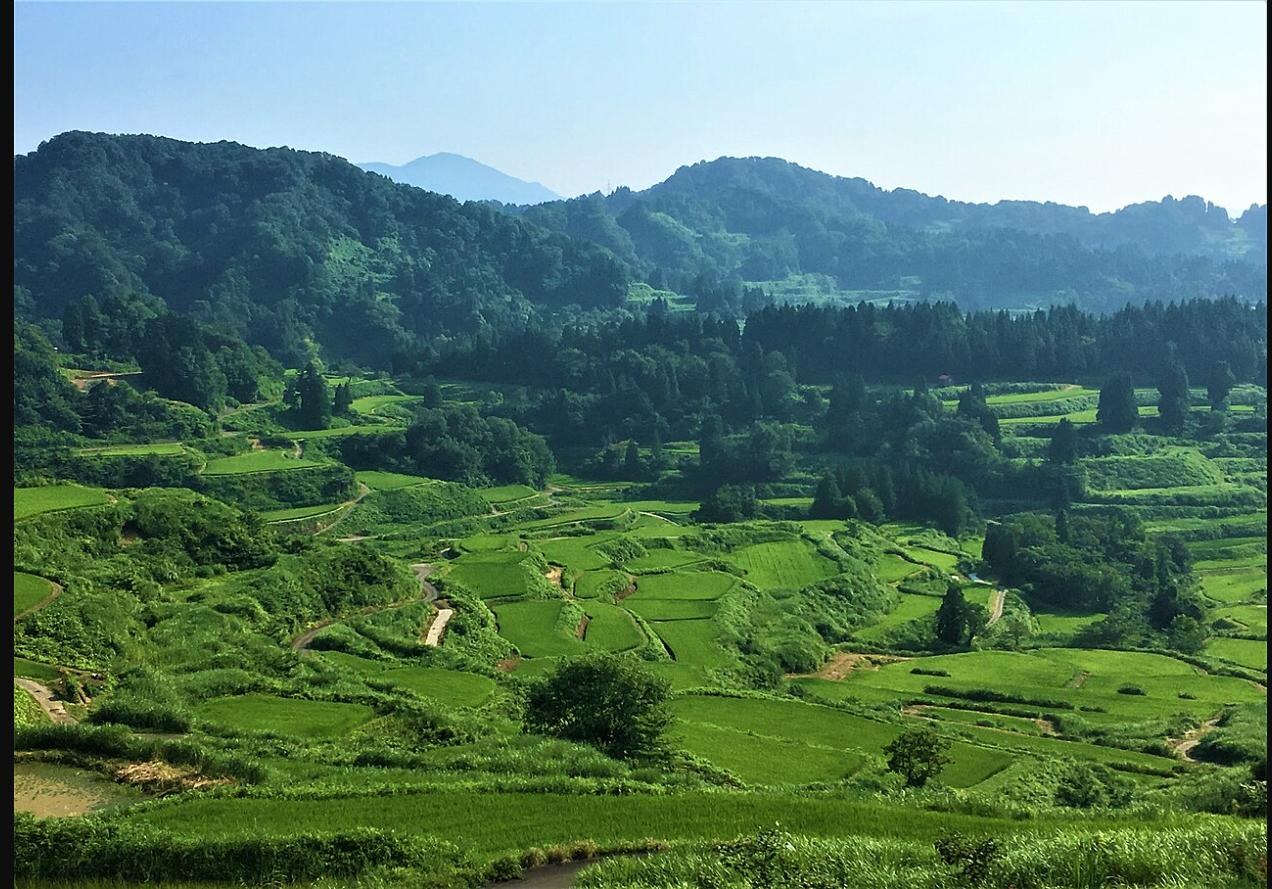
Photo: Nihongo1234 / CC BY-SA 4.0
Niigata: Japan's Rice and Sake Country, Plus Sado Island
Niigata grows the rice and brews the sake locals rate highest in Japan, and it's also the ferry gateway to the quieter, slower-paced Sado Island.
Last updated 2026-08-22
Rice, Sake, and Why It Tastes Different Here
Niigata grows Koshihikari rice, widely treated as Japan's benchmark short-grain rice, and the prefecture has one of the highest concentrations of sake breweries in the country. Ponshukan, inside Niigata Station, runs a sake-tasting counter where a single set price gets you a flight of dozens of local breweries — a low-effort way to compare before buying a bottle.
The cold winters and heavy snowmelt that make farming here hard are also part of why both the rice and the sake are considered exceptional; the region's difficulty is baked into its reputation.
Echigo-Yuzawa: An Easy Snow-Country Trip
Echigo-Yuzawa is a Joetsu Shinkansen stop roughly 70-80 minutes from Tokyo, ringed by ski resorts and onsen towns, and the setting for Kawabata's novel Snow Country. In winter it's a legitimate day trip from Tokyo for skiing; outside the season several lifts and facilities close entirely, so check what's actually running before you plan around it.
Sado Island: A Slower Detour
Sado Island, reached by ferry from Niigata City (around 2.5 hours by regular ferry, faster by jetfoil), was historically a place of exile and later a major gold-mining site — the old Sado Kinzan mine tunnels are open to walk through. Public transport on the island is thin, so a rental car helps, and ferry schedules can shift with weather, so build in some slack.
Related reading
Want a full itinerary, not just one article?
The Trip Planner builds a day-by-day plan around the regions and interests you pick.
Open Trip Planner