Kanazawa: Gardens, Gold Leaf, and Geisha Districts
Kanazawa survived WWII largely intact, so its castle garden, geisha district, and gold-leaf craft shops all feel unusually well preserved for a Japanese city.
Last updated 2026-08-22
Kenrokuen and Kanazawa Castle
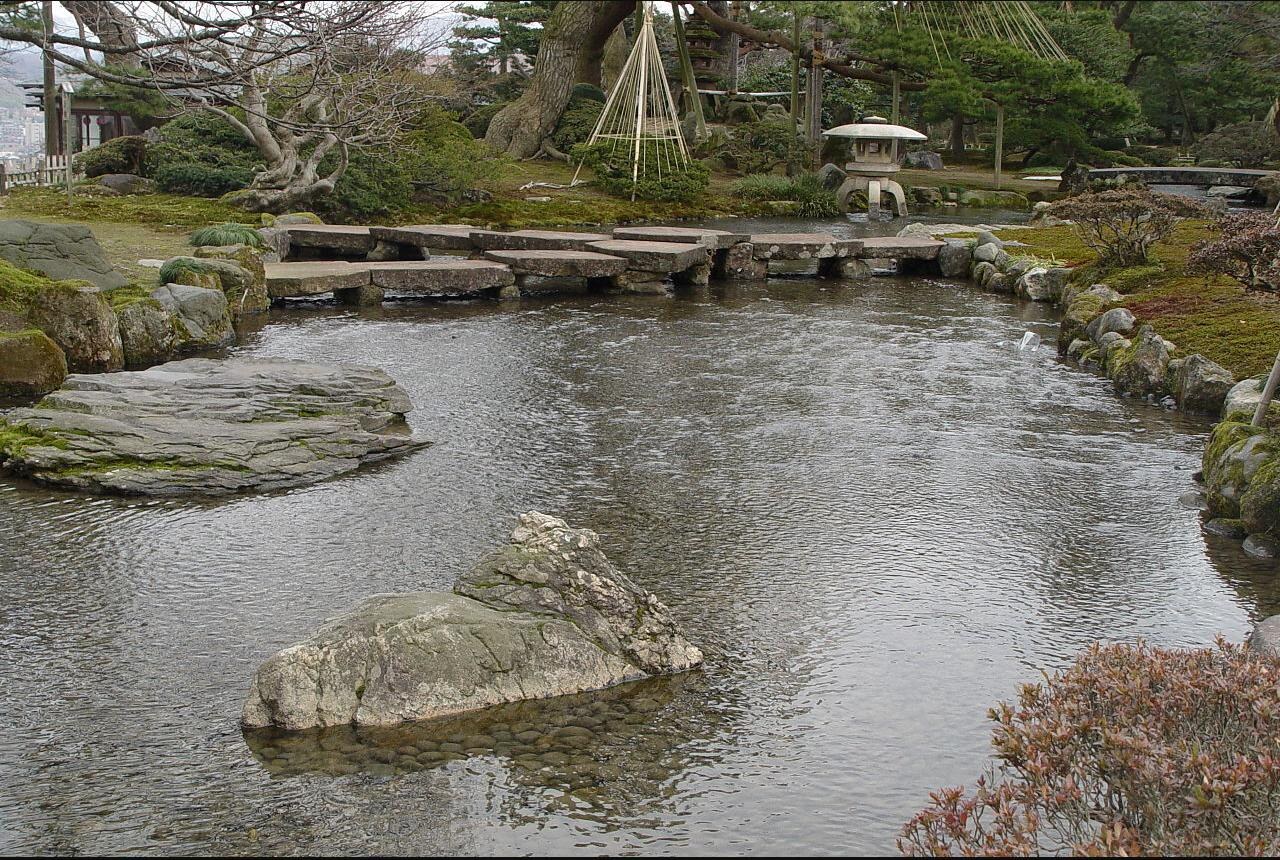
Kenrokuen is ranked as one of Japan's three great gardens, and unlike some famous gardens it doesn't feel roped off — paths wind through it and the look changes noticeably by season, from plum blossoms to autumn maples to snow-protection ropes on the pines in winter. It sits right beside Kanazawa Castle park, so pair the two; both together take about two hours.
Kanazawa avoided major WWII bombing, which is a big part of why its historic districts survived intact — unusual among Japan's larger cities.
Higashi Chaya and Gold Leaf
Higashi Chaya is Kanazawa's best-preserved geisha (geiko) entertainment district, lined with wooden teahouse facades along a walkable street. Kanazawa also produces most of Japan's gold leaf, and it shows up everywhere — on lacquerware, on gold-leaf-topped soft-serve, and in workshops where visitors can try applying it themselves.
Omicho Market and Getting There
Omicho Market is Kanazawa's main food market and a good spot for a fresh seafood breakfast or lunch — the Sea of Japan side is especially known for crab in winter. Kanazawa is a direct Hokuriku Shinkansen ride from Tokyo, around 2.5 hours, which has made it a much easier add-on trip than it used to be.
Related reading
Want a full itinerary, not just one article?
The Trip Planner builds a day-by-day plan around the regions and interests you pick.
Open Trip Planner