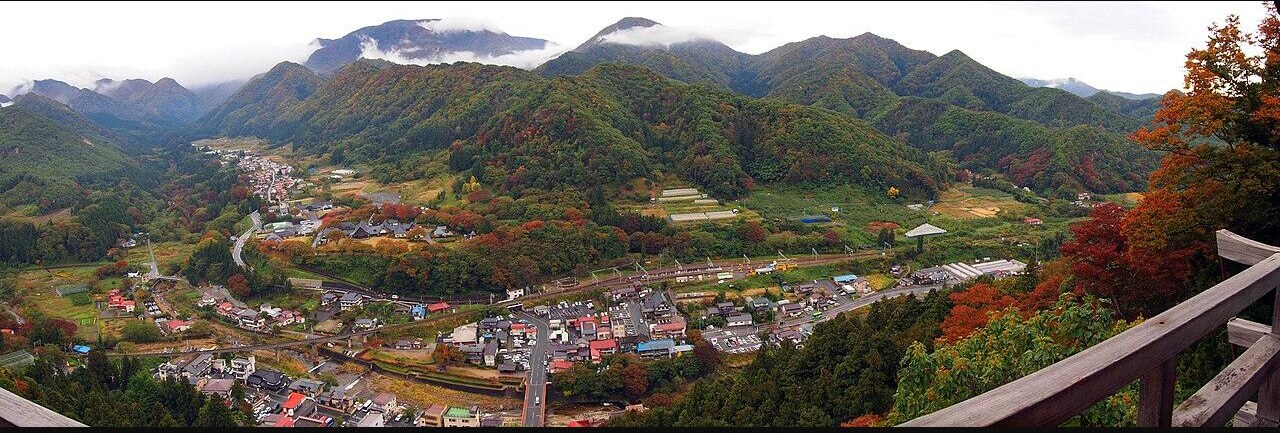
Photo: ぱちょぴ / CC BY-SA 3.0
Sakuranbo: Why Yamagata Grows Most of Japan's Cherries
Yamagata produces roughly three-quarters of Japan's cherries, including the prized Sato Nishiki variety, in a short, intensely anticipated early-summer season.
Last updated 2026-08-22
A Climate Suited to Cherries
Yamagata's inland basin climate, hot summers, cold winters, and a notable gap between day and night temperatures, turns out to suit sweet cherries unusually well, and the prefecture produces roughly three-quarters of all cherries grown in Japan, concentrated mainly around the Yamagata basin and areas like Higashine and Sagae. The most prized variety is Sato Nishiki, valued for its balance of sweetness and slight tartness plus a delicate skin, though other varieties like the deep-red Beni Shuho are also grown.
A Short, Intense Season
Cherry season is famously brief, generally clustering from around early June through July depending on variety and that year's weather, which drives real anticipation locally and a rush of pick-your-own orchard visits, festivals, and gift-box sales while it lasts. Premium cherries, sold in carefully arranged gift boxes, can be surprisingly expensive by fruit standards and are a common high-end gift item in Japan. Because the season shifts with weather and is genuinely short, anyone timing a trip around fresh cherries should check current picking forecasts rather than assume a fixed calendar window.
Related reading
Want a full itinerary, not just one article?
The Trip Planner builds a day-by-day plan around the regions and interests you pick.
Open Trip Planner