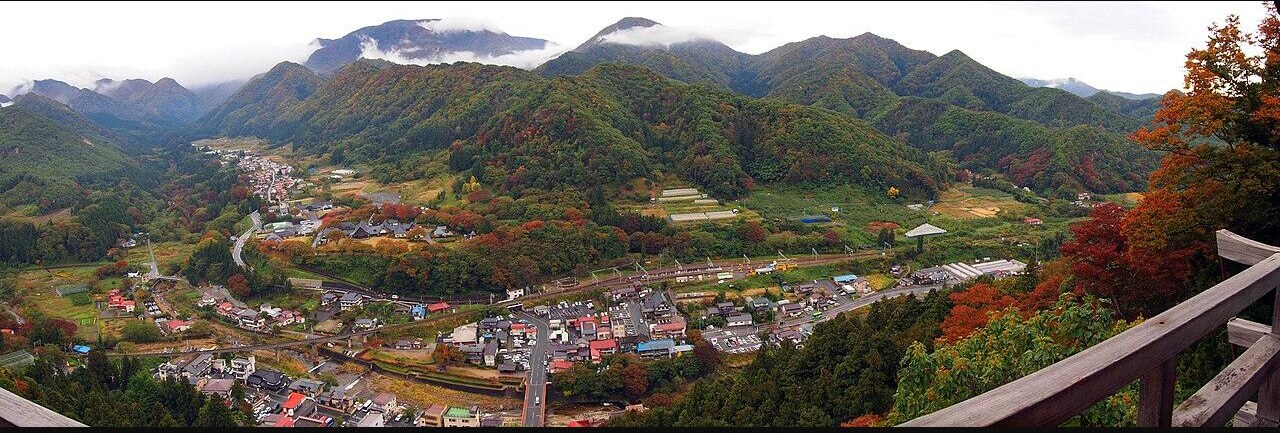
Photo: ぱちょぴ / CC BY-SA 3.0
Shojin Ryori of Dewa Sanzan: Yamagata's Mountain Food
The Dewa Sanzan pilgrimage mountains preserve a strict vegetarian Buddhist food tradition built around foraged mountain vegetables and sansai culture.
Last updated 2026-08-22
Food Shaped by Mountain Ascetic Practice
Dewa Sanzan, the three sacred mountains of Yamagata associated with Shugendo mountain asceticism, has a long-standing tradition of shojin ryori, Buddhist vegetarian cuisine that avoids meat, fish, and strong-smelling ingredients like garlic and onion, relying instead on tofu, mountain vegetables, and grains prepared with careful technique to maximize flavor without animal products. Historically this was pilgrim and ascetic-practitioner food, tied closely to fasting and purification practices, and it remains connected to lodges near the mountains that still prepare it in something close to the traditional form.
Sansai: The Wild Mountain Vegetables Behind It
A key element is sansai, foraged wild mountain plants and fern shoots, like fiddlehead ferns, bamboo shoots, and various wild greens, gathered seasonally, mostly in spring, and often preserved by drying or pickling for use through the rest of the year. This foraging culture extends well beyond the temple tradition into everyday Yamagata cooking. Because sansai is genuinely wild-gathered rather than farmed, availability and species vary by season and location, and some varieties require correct preparation to remove bitterness or toxins, so this isn't casual foraging territory for visitors.
Related reading
Want a full itinerary, not just one article?
The Trip Planner builds a day-by-day plan around the regions and interests you pick.
Open Trip Planner