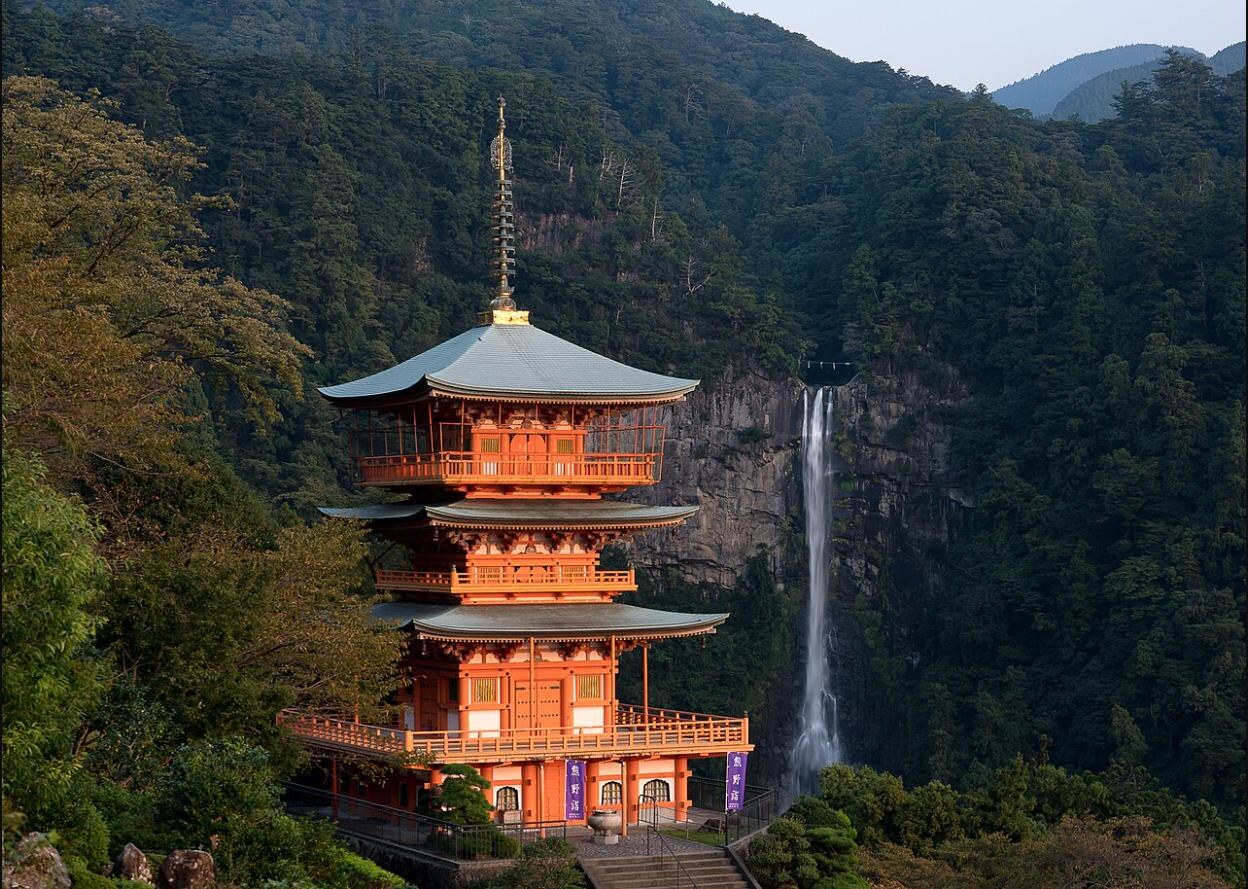
Photo: Big Ben in Japan / CC BY-SA 2.0
Nanko Ume: Wakayama's Plum Culture, From Umeboshi to Umeshu
Wakayama's Minabe-Tanabe area grows most of Japan's premium Nanko ume, the backbone of the country's umeboshi and umeshu plum culture.
Last updated 2026-08-22
Japan's Top Ume-Producing Region
Wakayama, particularly the Minabe and Tanabe area, produces the large majority of Japan's high-grade ume (Japanese plums), and the Nanko-ume variety grown there is considered the benchmark for umeboshi, the intensely sour, salty pickled plums eaten across Japan. The local economy in that area is genuinely built around ume farming, and the industry supports everything from small family orchards to larger processing operations.
How Ume Shows Up in Daily Life
Beyond plain umeboshi, Wakayama uses ume in umeshu (plum liqueur), plum-based dressings and sauces, and sweets, and it's common to find tasting samples of multiple umeboshi styles — some very traditional and intensely sour and salty, others sweeter and milder for less experienced palates — at shops and roadside stations. If you want to bring some home, check customs rules on food imports for your destination before buying in bulk.
Related reading
Want a full itinerary, not just one article?
The Trip Planner builds a day-by-day plan around the regions and interests you pick.
Open Trip Planner