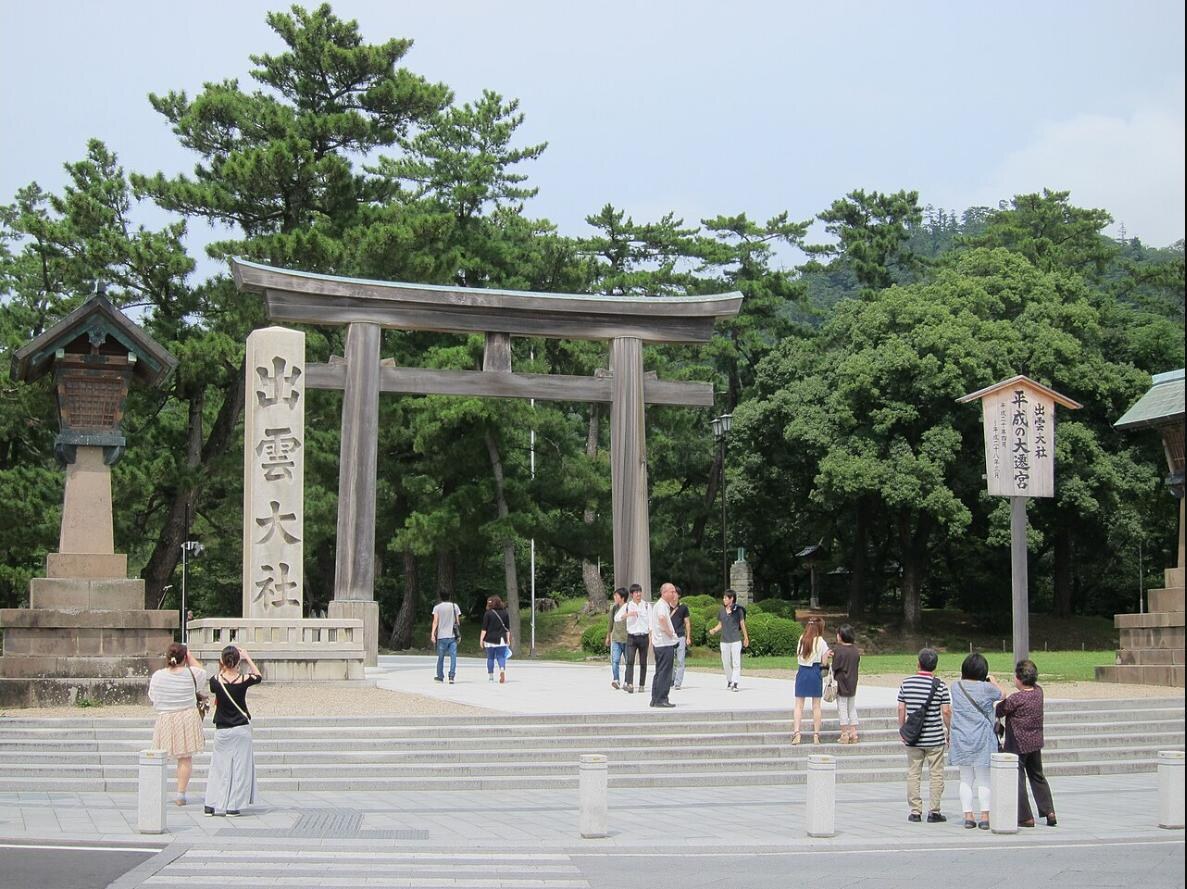
Photo: Kuruman / CC BY 2.0
Why Matsue Is One of Japan's Great Wagashi Cities
Matsue's tea-drinking culture, shaped by an 18th-century feudal lord, made it one of Japan's three cities most associated with traditional Japanese sweets.
Last updated 2026-08-22
A Legacy of a Tea-Loving Lord
Matsue, Shimane's castle town, is frequently listed alongside Kyoto and Kanazawa as one of Japan's three cities most closely tied to wagashi (traditional Japanese sweets). The reputation traces largely to Matsudaira Fumai, an 18th-century feudal lord and tea ceremony master who promoted tea culture heavily during his rule, which in turn required a steady supply of high-quality confections to accompany matcha, and local sweet-making traditions grew around that demand.
Everyday Wagashi Culture Today
That legacy shows up today in an unusually high concentration of long-running wagashi makers for a city Matsue's size, and in a local custom of drinking matcha with sweets at home more casually than in many other parts of Japan, not just at formal tea ceremonies. Seasonal wagashi shift their shapes and flavors, cherry blossom motifs in spring, chestnut in autumn, so what's available depends heavily on when you visit.
Related reading
Want a full itinerary, not just one article?
The Trip Planner builds a day-by-day plan around the regions and interests you pick.
Open Trip Planner