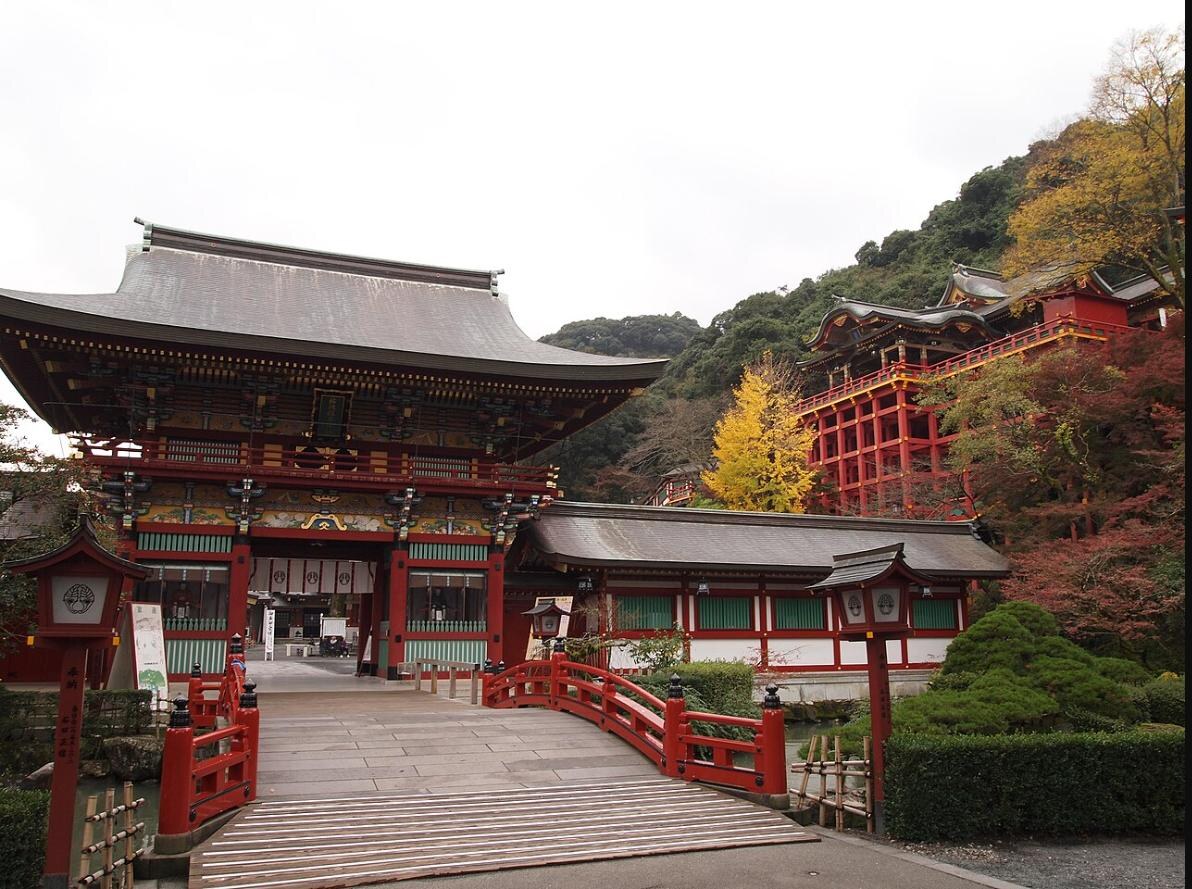
Photo: Underbar dk / CC BY-SA 4.0
Yoshinogari Ruins and Arita Porcelain: Saga's Deep History
Saga gets overlooked next to Nagasaki and Fukuoka, but it holds one of Japan's most important ancient sites and the birthplace of its porcelain.
Last updated 2026-08-22
Yoshinogari Historical Park
Yoshinogari is a large reconstructed settlement from the Yayoi period, roughly 300 BC to 300 AD, and one of the most significant archaeological finds in Japan. Moats, watchtowers, and dwellings have been rebuilt on the original site, giving a rare concrete sense of pre-imperial Japanese life rather than just artifacts in a case.
Arita and the birth of Japanese porcelain
The town of Arita is where Japanese porcelain effectively began in the early 1600s, after Korean potters brought over during Japanese invasions of Korea found suitable clay nearby. Arita ware (also sold as Imari ware, after its old shipping port) is still produced by working kilns you can visit, and an annual ceramics fair draws collectors — dates vary by year, so check before planning a trip around it.
An underrated stop
Saga sits between two more famous neighbors and gets skipped by a lot of itineraries, which means fewer crowds at real sites. It's manageable by local train and bus, though a car opens things up. Karatsu, on the coast, is worth a separate look for its castle and autumn Kunchi festival.
Related reading
Want a full itinerary, not just one article?
The Trip Planner builds a day-by-day plan around the regions and interests you pick.
Open Trip Planner