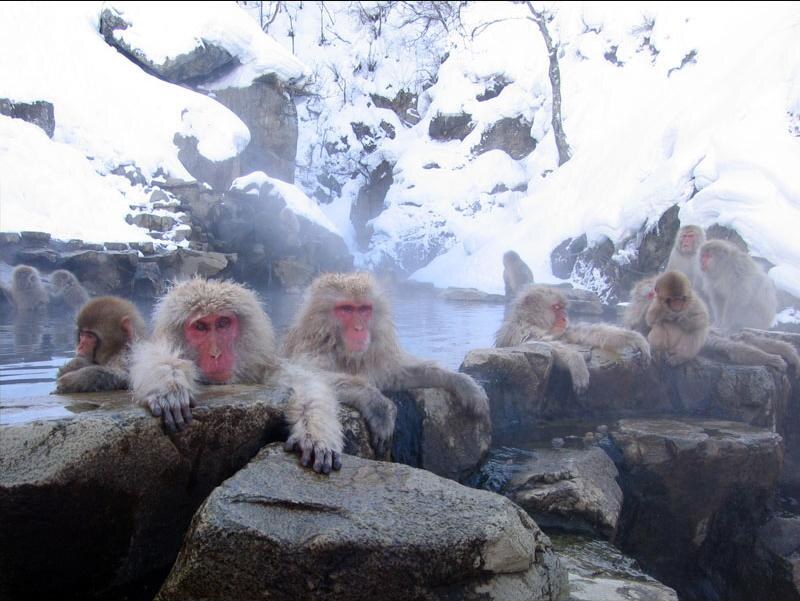
Photo: Yosemite / CC BY-SA 3.0
Nozawana-zuke: Nagano's Mountain Pickle Culture
The story behind Nagano's nozawana pickle tradition, born from long mountain winters, and how it still shows up on tables and in oyaki today.
Last updated 2026-08-22
The Vegetable and the Tradition Behind It
Nozawana is a leafy, mustard-like vegetable named after Nozawa Onsen village, where it's traditionally grown and pickled in large batches each autumn — a practice called nozawana-zuke. Before refrigeration and imported produce made fresh vegetables available year-round, pickling was how mountain households got through Nagano's long, snowy winters, and the custom of a whole community pickling together in early winter, often around a shared vat, still happens in some villages. The result is tangy, slightly fermented, and used both as a side dish and an oyaki filling.
How It Shows Up in Daily Life
You'll see nozawana-zuke on breakfast tables, as a free side at some soba shops, and packaged for sale at markets and roadside stations throughout the prefecture. It's usually eaten straight as a side dish, but it's also fried with oil and chili as a quick stir-fry, or chopped into fried rice. It makes a good, inexpensive souvenir since vacuum-packed versions travel well, though flavor and saltiness vary a lot between producers, so it's worth trying a sample before buying a full bag.
Related reading
Want a full itinerary, not just one article?
The Trip Planner builds a day-by-day plan around the regions and interests you pick.
Open Trip Planner