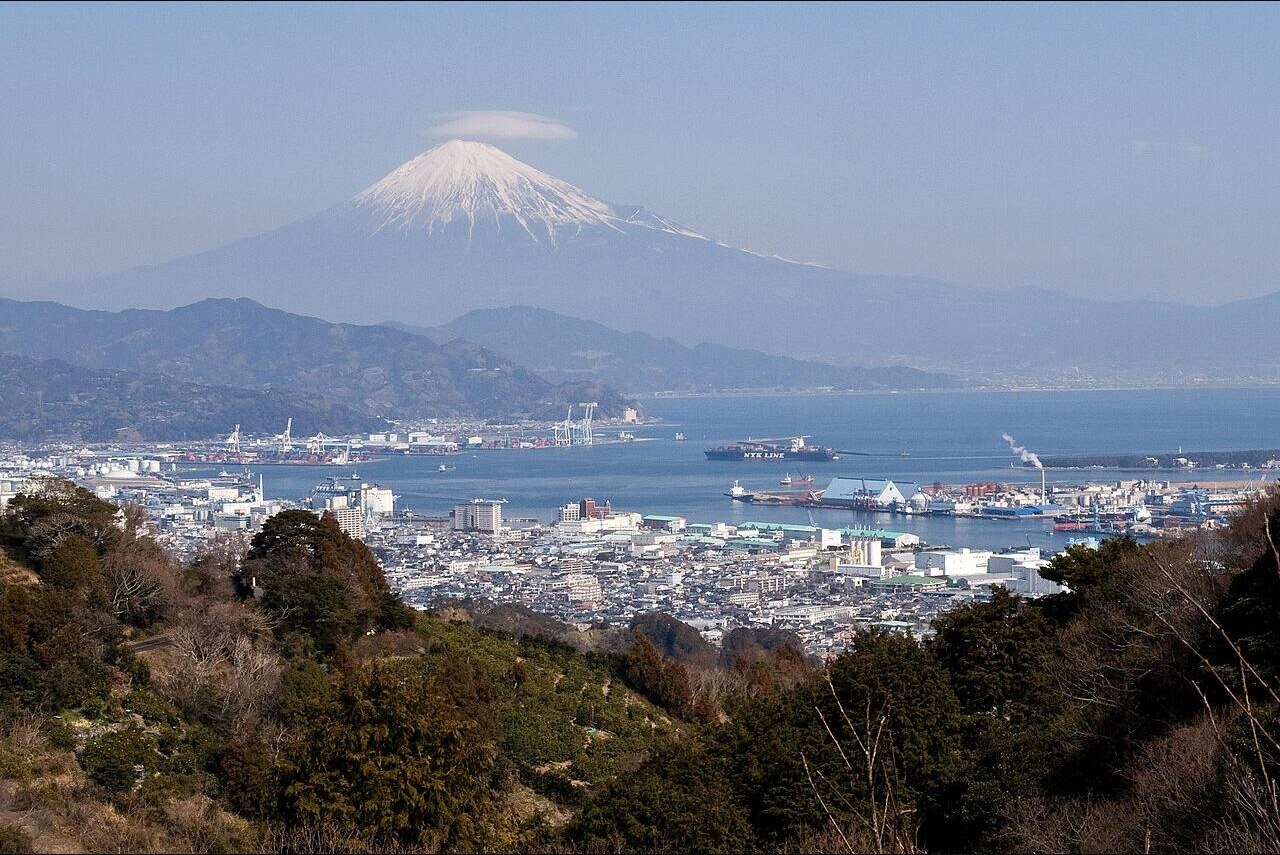
Photo: Σ64 / CC BY 3.0
Real Wasabi: Shizuoka's Mountain-Grown Specialty
Why Shizuoka is where modern wasabi cultivation began, and how real grated wasabi differs from the horseradish paste served almost everywhere else.
Last updated 2026-08-22
Why Shizuoka Is Wasabi's Birthplace
Wasabi cultivation as it's known today began in Shizuoka's Utogi valley in the early 1600s, and the prefecture's Amagi mountain region, with its cold spring water and shaded stream beds, remains one of Japan's most respected wasabi-growing areas. Real wasabi is a slow-growing rhizome that needs consistently cold, flowing, mineral-rich water — conditions that are genuinely hard to replicate, which is part of why fresh wasabi stays expensive and much of what's served elsewhere in Japan and abroad is a horseradish-based substitute.
How to Eat Real Wasabi
Fresh wasabi is grated to order on a fine, sharkskin-textured grater (a samegawa oroshi), which produces a smoother paste than a metal grater and preserves more of its aromatic, slightly sweet heat rather than the sharp, one-note burn of the powdered version. It should be eaten within about 15 minutes of grating before the flavor fades, and it's meant to be tasted directly, dabbed onto fish or rice, rather than dissolved into soy sauce. If a restaurant grates it tableside, that's a strong sign it's the real thing.
Related reading
Want a full itinerary, not just one article?
The Trip Planner builds a day-by-day plan around the regions and interests you pick.
Open Trip Planner