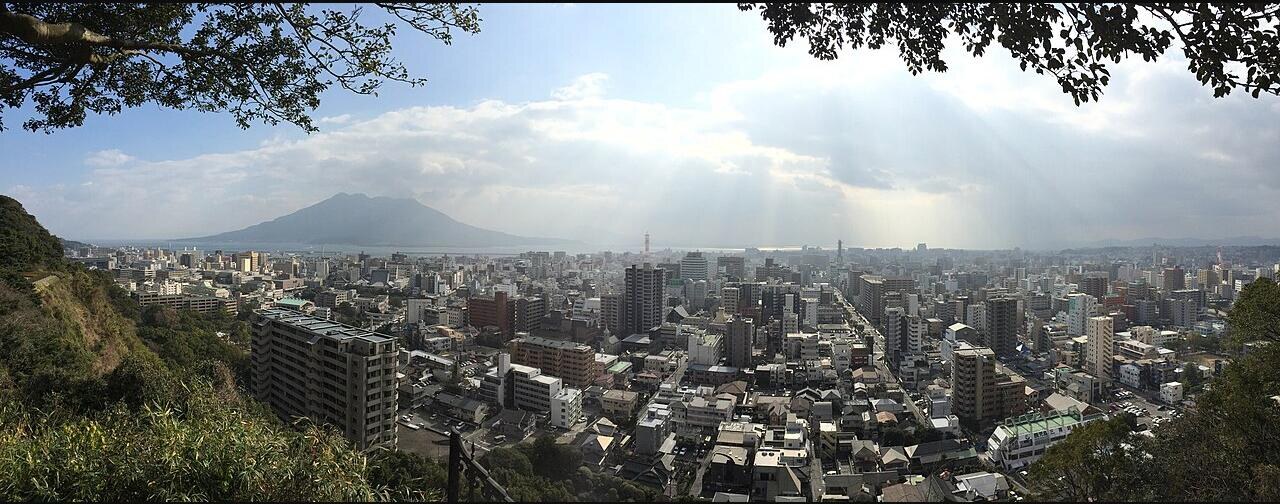
Photo: Toecheese-jp / CC BY-SA 4.0
Satsuma-Imo: The Sweet Potato That Shaped Kagoshima
How the sweet potato reshaped Kagoshima's food history, from its arrival via Ryukyu trade routes to today's roasted yaki-imo and sweet potato desserts.
Last updated 2026-08-22
How the Sweet Potato Reshaped Kagoshima's Food History
The sweet potato reached the Ryukyu Kingdom (present-day Okinawa) in the early 1600s, but it took roughly another century to reach the Kagoshima mainland itself — traditionally credited to a trader named Maeda Riemon around the early 1700s — which is why the crop is still called satsuma-imo (Satsuma being the old name for the region). It thrived in volcanic soil that struggled to grow rice, and over time became a famine-resistant staple crop that quietly shaped the region's diet — it's the same crop that later became the base for imo-jochu, though this article is about eating it, not distilling it.
Roasted, Baked, and Turned Into Sweets
Modern Kagoshima grows well-regarded varieties like Beniharuka and Annou-imo, both prized for high sugar content and creamy texture once roasted — yaki-imo (slow-roasted whole sweet potato, often sold from trucks or stalls in cooler months) is genuinely a comfort food, not a tourist gimmick. The same sweetness gets used in imo-yokan (sweet potato jelly cake) and countless bakery items, and buying a bag of a named variety to roast at home is a normal local habit.
Related reading
Want a full itinerary, not just one article?
The Trip Planner builds a day-by-day plan around the regions and interests you pick.
Open Trip Planner