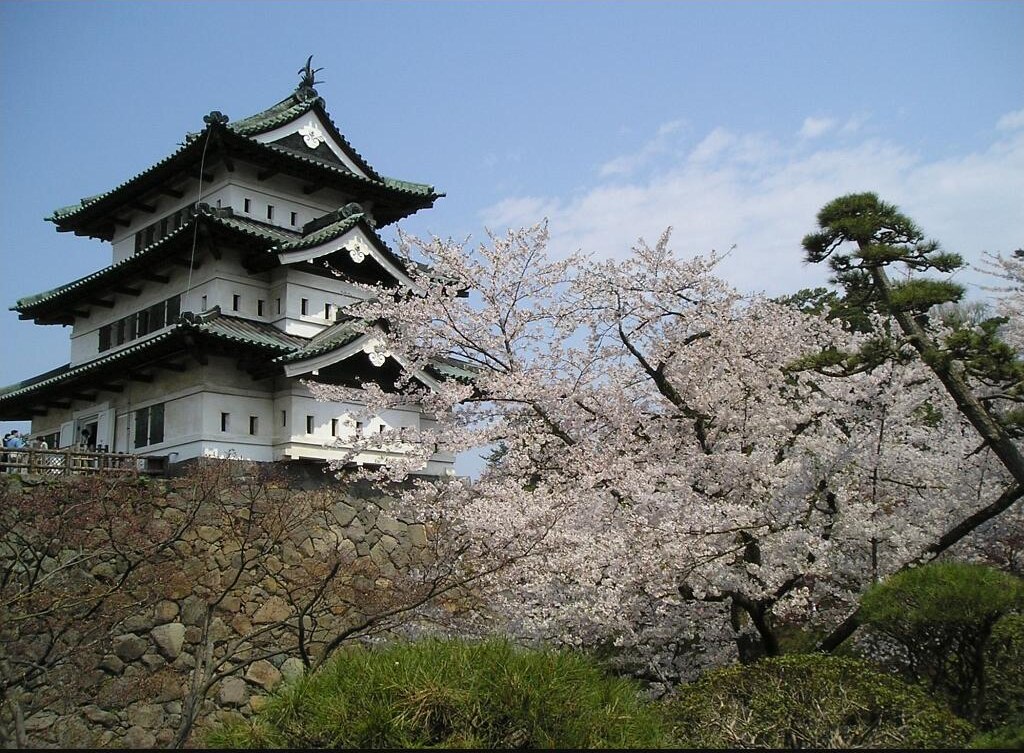
Photo: Si-take. / CC BY-SA 3.0
Aomori Apples: Japan's Apple Capital and Its Orchards
Aomori grows more than half of Japan's apples; here's why the fruit dominates local food culture, from fresh eating varieties to cider and apple pie.
Last updated 2026-08-23
Why Aomori Became Japan's Apple Prefecture
Aomori produces roughly 60 percent of all apples grown in Japan, a scale that dates back to the 1870s when the Meiji government introduced Western apple cultivation to the region's cool climate and volcanic soil. The area around Hirosaki, with Mount Iwaki as a backdrop, became the center of production. Today dozens of cultivars are grown, from the crisp, tart Tsugaru variety that ripens in early autumn to the large, sweet Fuji apple, which was actually developed in Aomori and later spread worldwide under that name.
How Apples Show Up on the Table
Beyond fresh eating, apples turn up across Aomori's food culture in ways visitors might not expect: apple curry, apple-flavored ramen broth, apple vinegar drinks, and dense, not-too-sweet apple pies sold at bakeries and roadside stands. Non-alcoholic apple cider is widely available, and dried apple chips make a common snack or souvenir. Farm stands and direct-sale orchards cluster around Hirosaki, especially during autumn harvest, roughly September to November, though exact ripening windows shift year to year, so check current timing before planning an orchard visit.
Related reading
Want a full itinerary, not just one article?
The Trip Planner builds a day-by-day plan around the regions and interests you pick.
Open Trip Planner