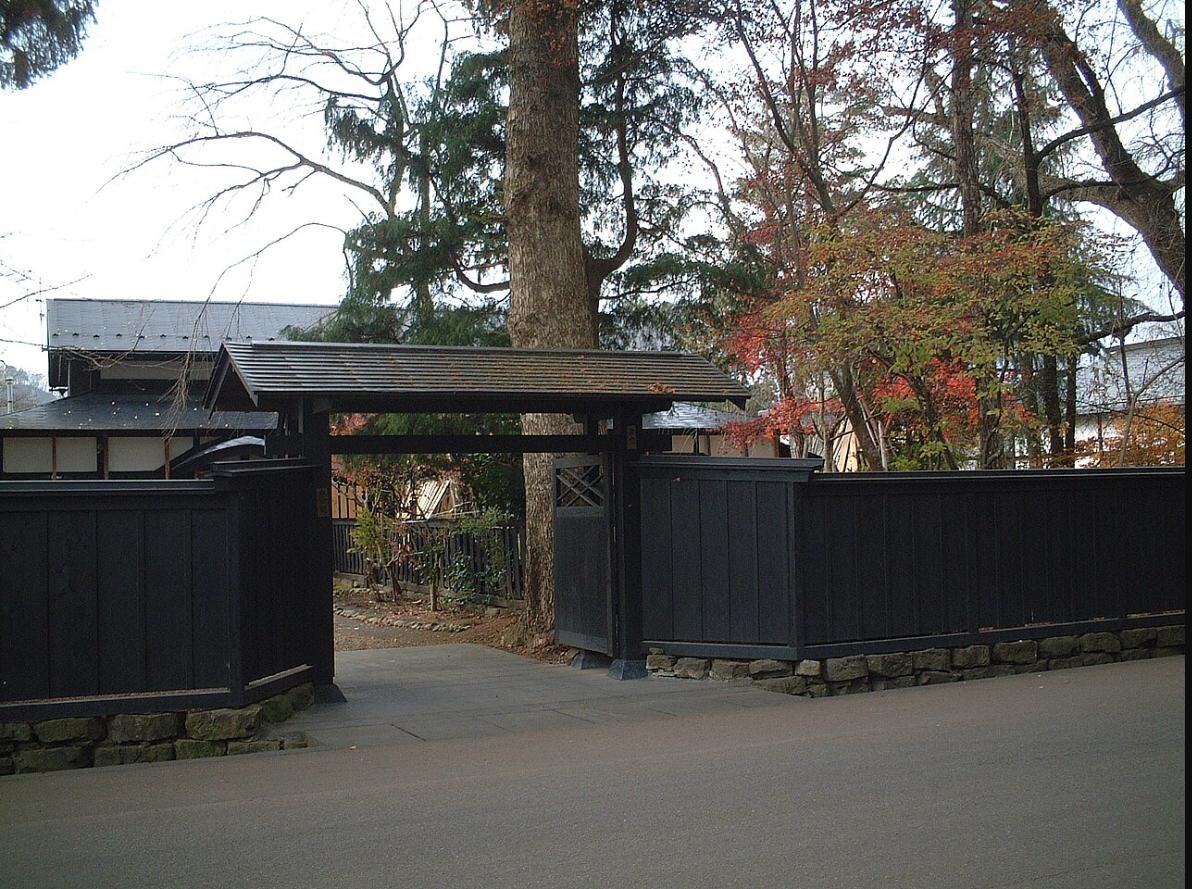
Photo: Haragayato / CC BY-SA 3.0
Akita: Kakunodate's Samurai Streets and Namahage
Akita offers a preserved samurai district, a folklore tradition involving demon-masked visitors, and hearty rice-based food, but expect rural travel.
Last updated 2026-08-23
Kakunodate's samurai residences
Kakunodate is sometimes called the Little Kyoto of Tohoku for its preserved samurai district — a street of black wooden gates and walled residences, several of which are open to walk through, including the Aoyagi and Ishiguro houses, each charging a modest entry fee (around 500 yen per house as of recent years) and open roughly 9am to 5pm, with shorter winter hours — confirm current pricing and hours before you go, since these do get revised. It's especially known for weeping cherry trees planted generations ago that arch over the street in spring. Outside cherry blossom season it's much quieter and still worth the stop if you're passing through on the Akita Shinkansen line.
Namahage folklore on the Oga Peninsula
On the Oga Peninsula, the Namahage tradition involves men in straw costumes and fearsome demon masks visiting homes around New Year's Eve to scare children into behaving and working hard — it's meant as a blessing more than a scare, though it looks intense on video. There's also a separate public festival version, the Namahage Sedo Festival, held over a few evenings in mid-February, though exact dates shift each year, so check current dates before planning a trip around it. The Namahage Museum on the peninsula recreates the ritual year-round for visitors who aren't there for the actual event or festival — it's open daily (no closed days), with an entry fee of roughly 660 yen for adults as of recent years, though both the hours and fee are worth double-checking before a special trip out there.
Food and getting around
Kiritanpo nabe — a hotpot with mashed and skewered rice alongside chicken and vegetables — is Akita's best-known dish, and the prefecture's rice (Akita Komachi) is well regarded nationally. Akita is rural with limited English signage outside the shinkansen stations, so a bit of preparation (translation app, printed addresses) goes a long way.
Related reading
Want a full itinerary, not just one article?
The Trip Planner builds a day-by-day plan around the regions and interests you pick.
Open Trip Planner